Destination Guides · Destination Inspiration
3,000-Year-Old Troy Went Viral: How to Plan a Trip Inspired by The Odyssey Filming Locations
We are a Virtuoso Member travel agency. If you book through us, we may earn compensation from the hotel or travel supplier (typically at no additional cost to you). All of our recommendations are made wholeheartedly with the intent of helping travelers discover the world authentically and responsibly.
It took Christopher Nolan to make thousands of travelers suddenly ask a question historians, archaeologists and classicists have spent centuries exploring: is Troy a real place, and can I actually go there?
Following the July 17, 2026 release of Christopher Nolan’s The Odyssey, Google search interest in traveling to Troy surged 3,421%, according to an analysis by the learning app Nibble. Searches for “flights to Troy” rose 966%, while “is Troy a real place” jumped 1,156% globally and an extraordinary 7,540% in the United States. The phenomenon has since drawn coverage from major travel publications including Travel + Leisure, National Geographic and Condé Nast Traveler, while luxury operators are already creating new journeys inspired by Homer and the film some priced upwards of $90,000/person.
There is something about those numbers that I find fascinating, particularly as a travel advisor. A nearly 3,000-year-old epic poem has become one of the catalysts for a very modern travel trend, sending people to Google not simply to research a movie, but to understand whether the places they saw on screen exist and whether they can experience them themselves.
Here is the short answer. Troy is a real archaeological site in present-day Türkiye, and travelers can visit it. Christopher Nolan, however, did not film his Troy there. The Troy audiences see in The Odyssey is actually Aït Benhaddou in Morocco, thousands of miles away. From there, the production extended across Greece, Sicily, Iceland, Scotland and Malta — 91 shooting days, six countries, turning a story associated with the ancient Mediterranean into a remarkable collection of real-world landscapes.
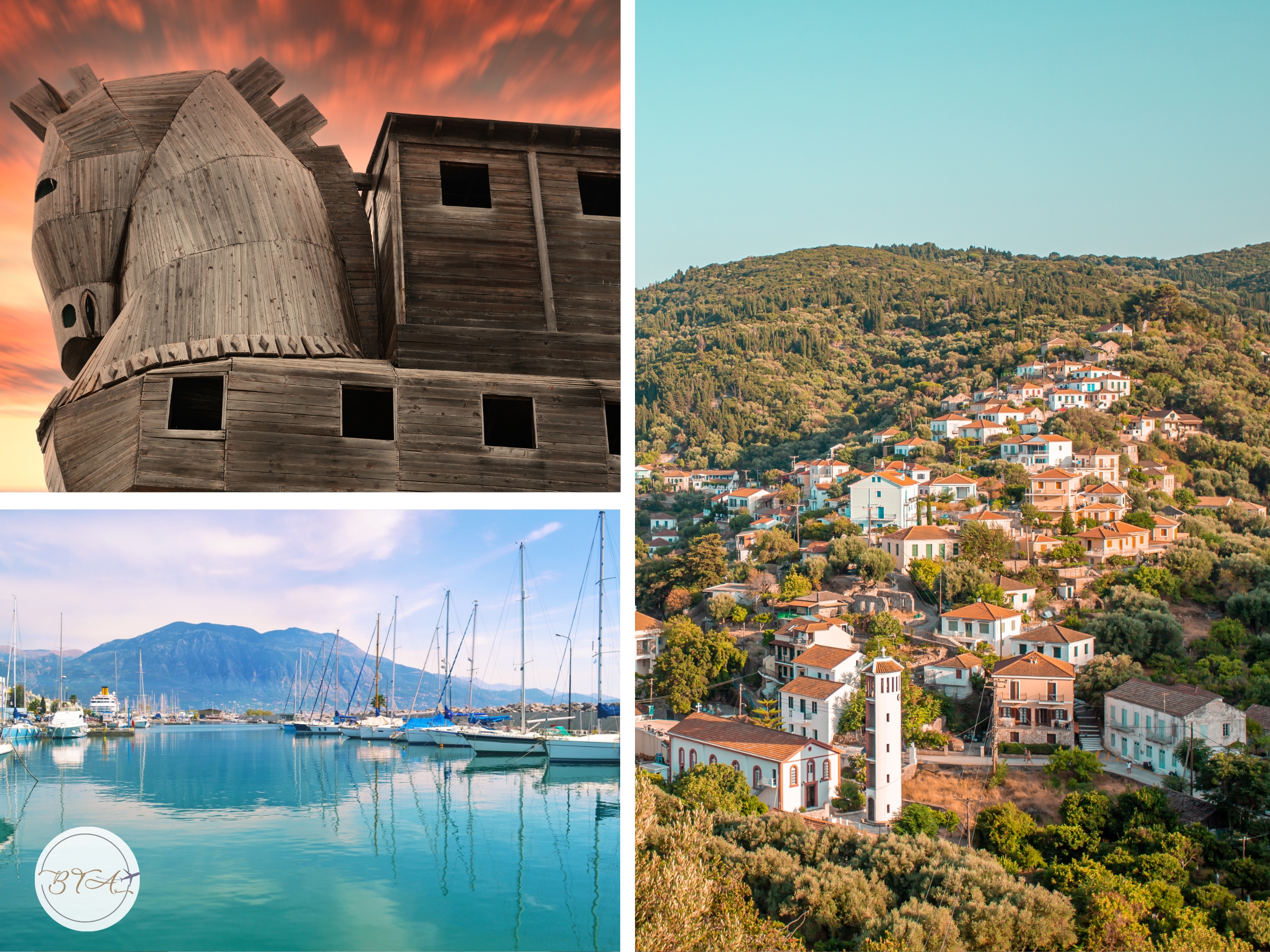
For travelers inspired by the film, this creates several ways to approach an Odyssey-inspired journey. You can travel to the archaeological site associated with the real Troy. You can visit the Odyssey filming locations where Nolan created his cinematic version of Homer’s world. Or, and this is probably the approach I find most compelling, you can allow the film to become the inspiration for a much broader journey through the history, landscapes and cultures behind one of Western literature’s most enduring stories.
Is Troy a Real Place?
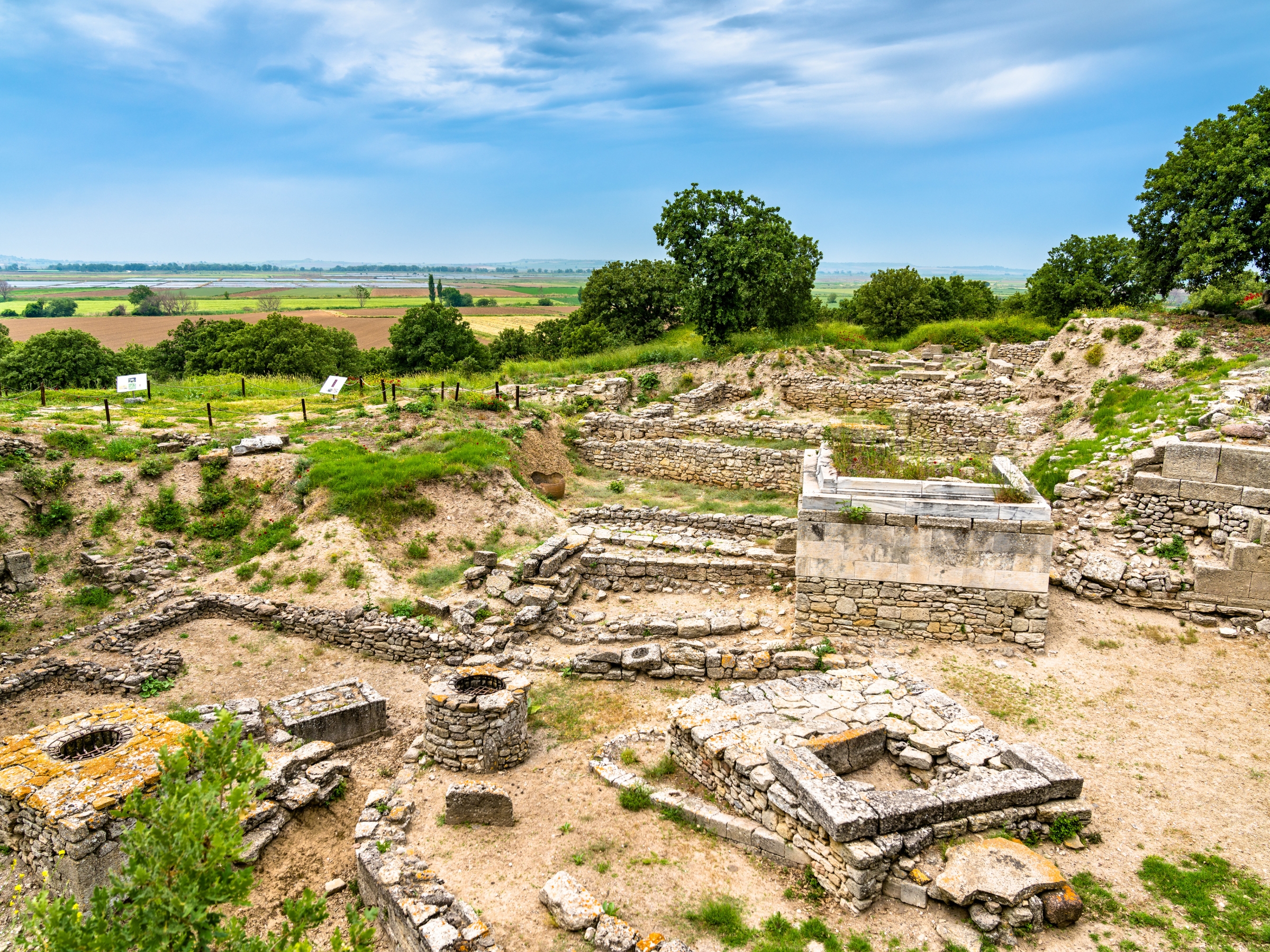
Yes. Ancient Troy is real, although separating archaeology from mythology is part of understanding it.
The archaeological site is located at Hisarlık in northwestern Türkiye, near the Dardanelles. With approximately 4,000 years of history, Troy was built and rebuilt by successive civilizations, leaving layers of fortifications, gates and foundations rather than one preserved ancient city. UNESCO designated it a World Heritage Site in 1998.
Visiting Troy is therefore very different from exploring Pompeii or Ephesus. It requires more imagination and interpretation, but with a good archaeologist or private guide, those ruins reveal a fascinating story of civilizations layered upon civilizations.
Did the Trojan War Really Happen?
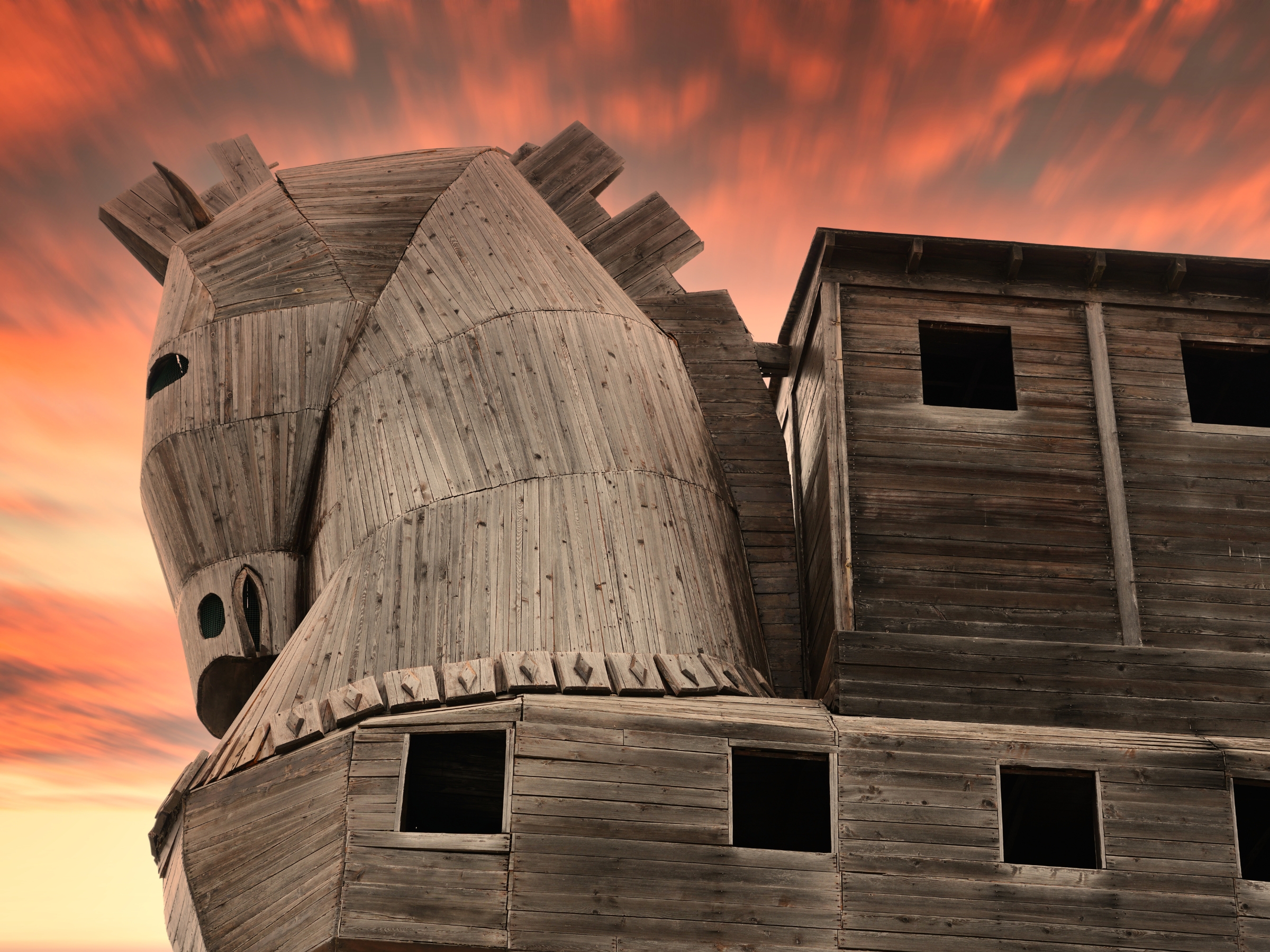
This is where history becomes less certain. Homer’s Iliad tells the story of the Trojan War, while The Odyssey follows Odysseus on his journey home to Ithaca. Archaeology confirms that an important Bronze Age settlement existed at Troy and experienced periods of destruction, but it cannot confirm that the war unfolded as Homer described it.
That uncertainty is part of Troy’s appeal. The archaeological record and Homer’s epic overlap without perfectly aligning, leaving travelers somewhere between history and mythology.
Where Is Troy Today, and How Do You Visit It?
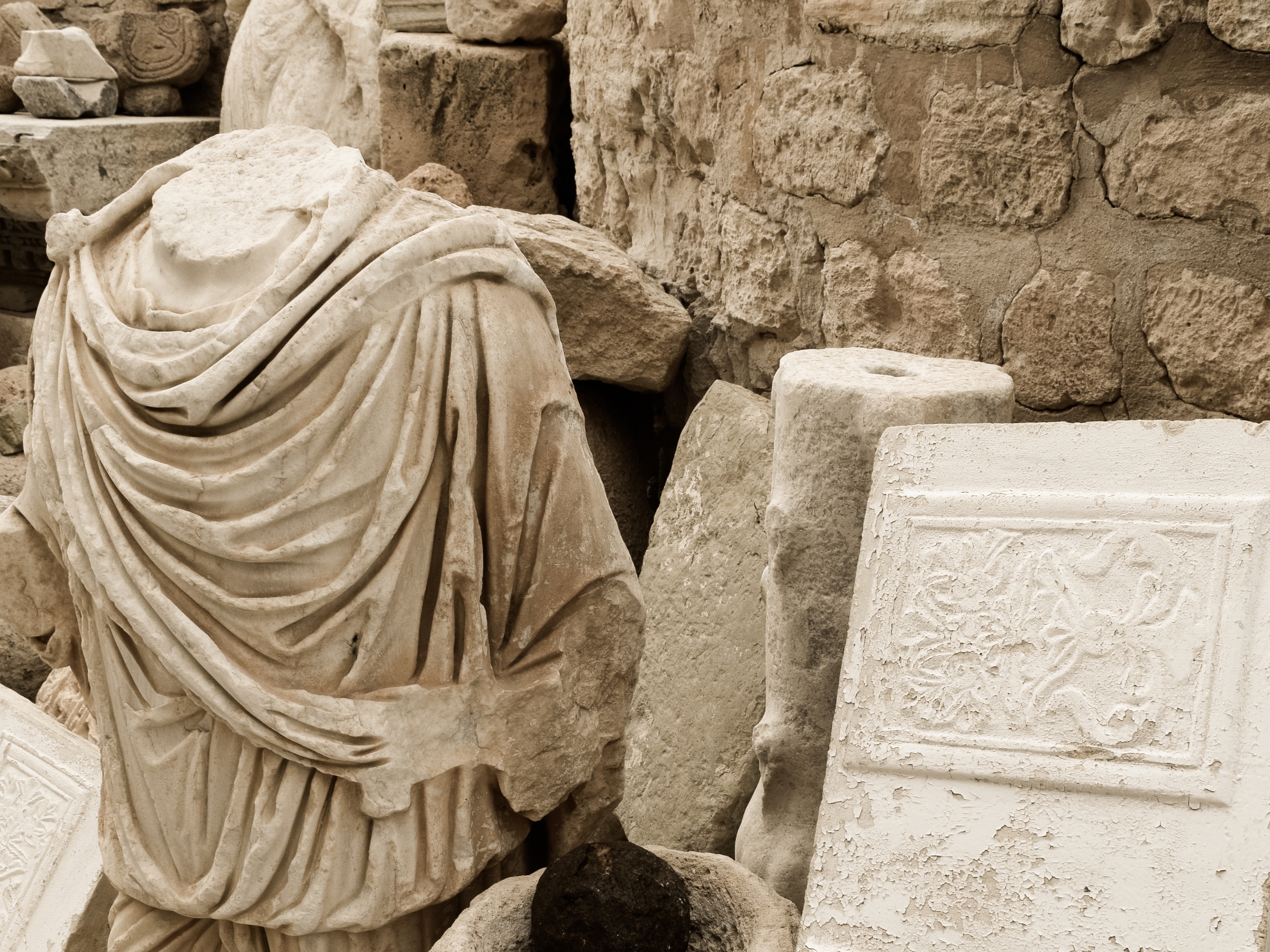
Ancient Troy is in Türkiye, not Greece, which can be confusing given its deep connection to Homer and Greek mythology. The site lies in northwestern Türkiye near Çanakkale, roughly 30 minutes from the city and close to the Dardanelles, the strategic waterway connecting the Aegean with the Sea of Marmara and ultimately the Black Sea.
Rather than treating Troy as an isolated excursion, begin in Istanbul before continuing toward Çanakkale, the Gallipoli Peninsula and Troy, with the option to travel farther south along Türkiye’s Aegean coast.
Pair the archaeological site with the Troy Museum and, most importantly, a very good private guide. There are destinations where independent wandering is part of the pleasure. Troy is not one of them; understanding what you are seeing makes all the difference.
Where Did Christopher Nolan Film Troy? Morocco, Not Türkiye
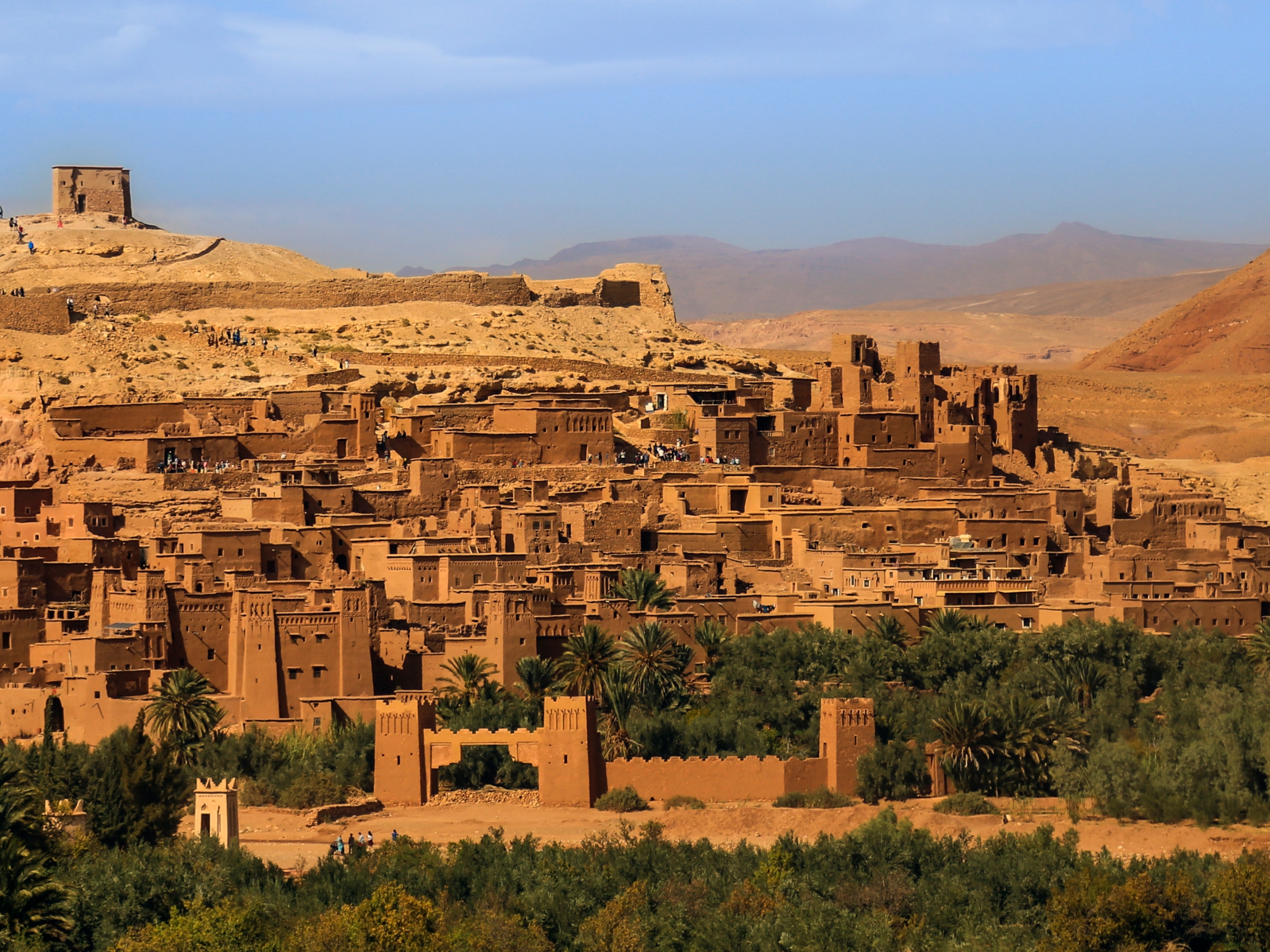
Perhaps the film’s most interesting geographic twist is that Nolan did not film Troy in Türkiye. Instead, he transformed Aït Benhaddou in Morocco, a UNESCO-listed fortified settlement along the historic caravan route between the Sahara and Marrakech, into his cinematic Troy. Production designer Ruth De Jong and her team reportedly added approximately two and a half acres of practical sets to the historic ksar.
Worth knowing before you book: those sets were built to be destroyed on camera, and nothing of them remains. Nolan’s Troy is gone. But that hardly diminishes the reason to visit. Aït Benhaddou is not interesting because Christopher Nolan filmed there. Christopher Nolan filmed there because Aït Benhaddou is interesting.
Located beyond the High Atlas about 30 minutes from Ouarzazate, and roughly 110 miles from Marrakech, it fits beautifully into a larger Moroccan journey combining Marrakech, the Atlas Mountains, Aït Benhaddou, Essaouira or the desert. Essaouira, incidentally, is where the Trojan Horse washes ashore in the film — its Atlantic beaches stood in for the Trojan coast.
For where to stay, this is the kind of route where I would look at a property like Royal Mansour Marrakech in the city and something like Kasbah Tamadot in the High Atlas, so the drive toward Aït Benhaddou becomes part of the trip rather than a long day out and back.
The movie may provide the inspiration, but Morocco quickly becomes the reason for the trip. That is always my test for film-inspired travel: if the movie connection disappeared tomorrow, would I still recommend the journey? In this case, absolutely.
Where Was The Odyssey Filmed in Greece?
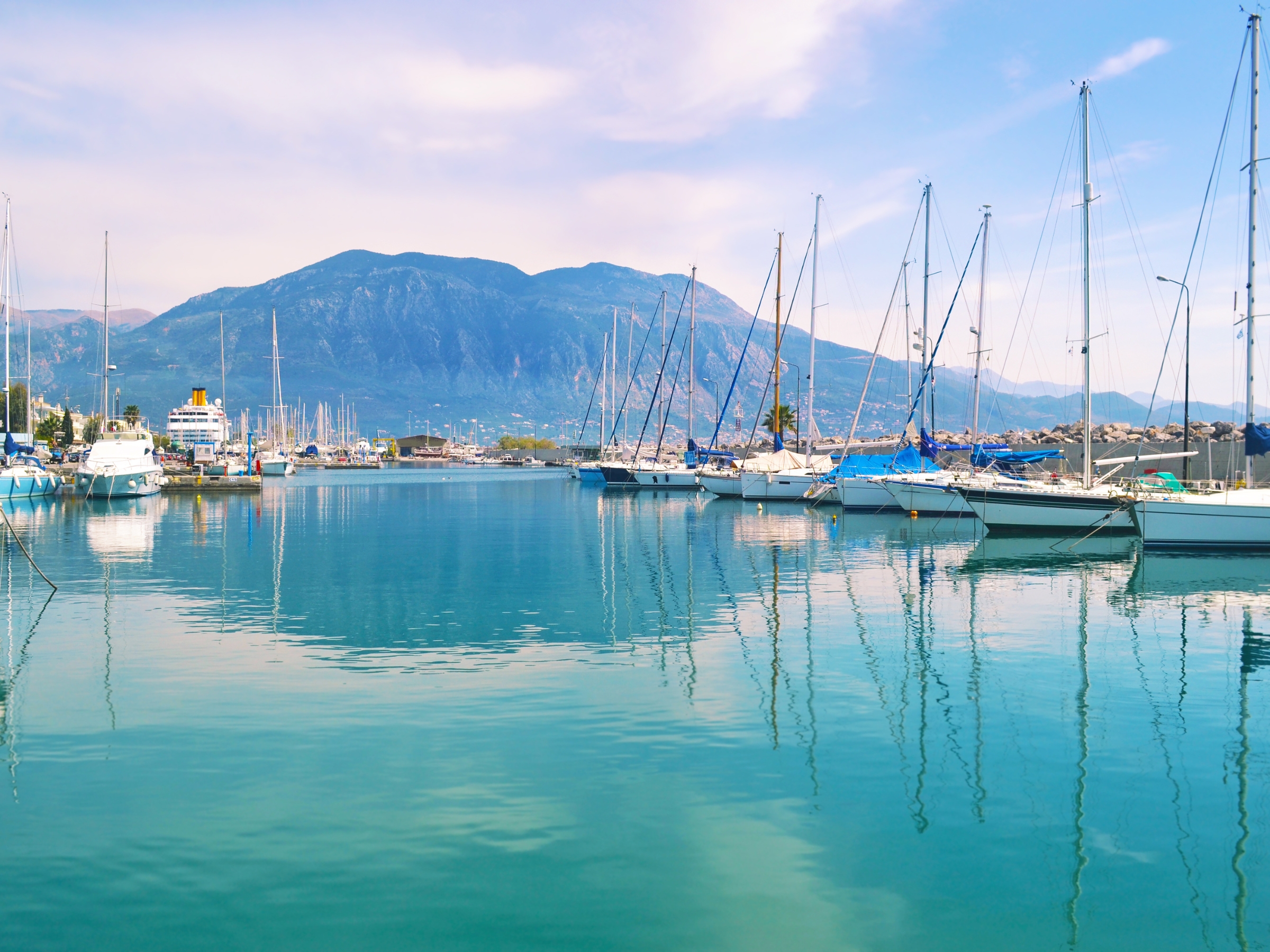
If the search for Troy begins with archaeology and the film leads us to Morocco, Greece is where the heart of the story remains. Traveling here gives you a sense of the geography that could inspire an epic like The Odyssey: islands appearing across deceptively short stretches of water, mountains descending toward the sea, and landscapes that make the mythology feel remarkably close.
Nolan filmed extensively in the Peloponnese, including Voidokilia Beach, Nestor’s Cave and Methoni Castle. Yet these places are compelling well beyond their cinematic connection. You can spend the morning exploring archaeology, have lunch in a small coastal town, swim in extraordinarily clear water and return to a very good hotel. If Homer is your entry point, it is worth knowing how much else is within reach — we’ve written separately about the ancient sites across Greece that reward the same kind of curiosity.
Nolan was not making an archaeological documentary. He borrowed landscapes and architecture from different centuries and countries to construct the emotional geography of a myth, and the Peloponnese demonstrates beautifully why Greece remains at its center.
For a luxury traveler, the development of Costa Navarino also makes this part of Greece much easier to explore without sacrificing the quality of where you sleep. I recommend the Mandarin Oriental, Costa Navarino as a sophisticated base, exploring selectively with a private driver and guide rather than changing hotels constantly in pursuit of filming locations. If you want to compare it against other options, our guide to where to stay in Greece is a good starting point.
Sicily and the Mediterranean Islands
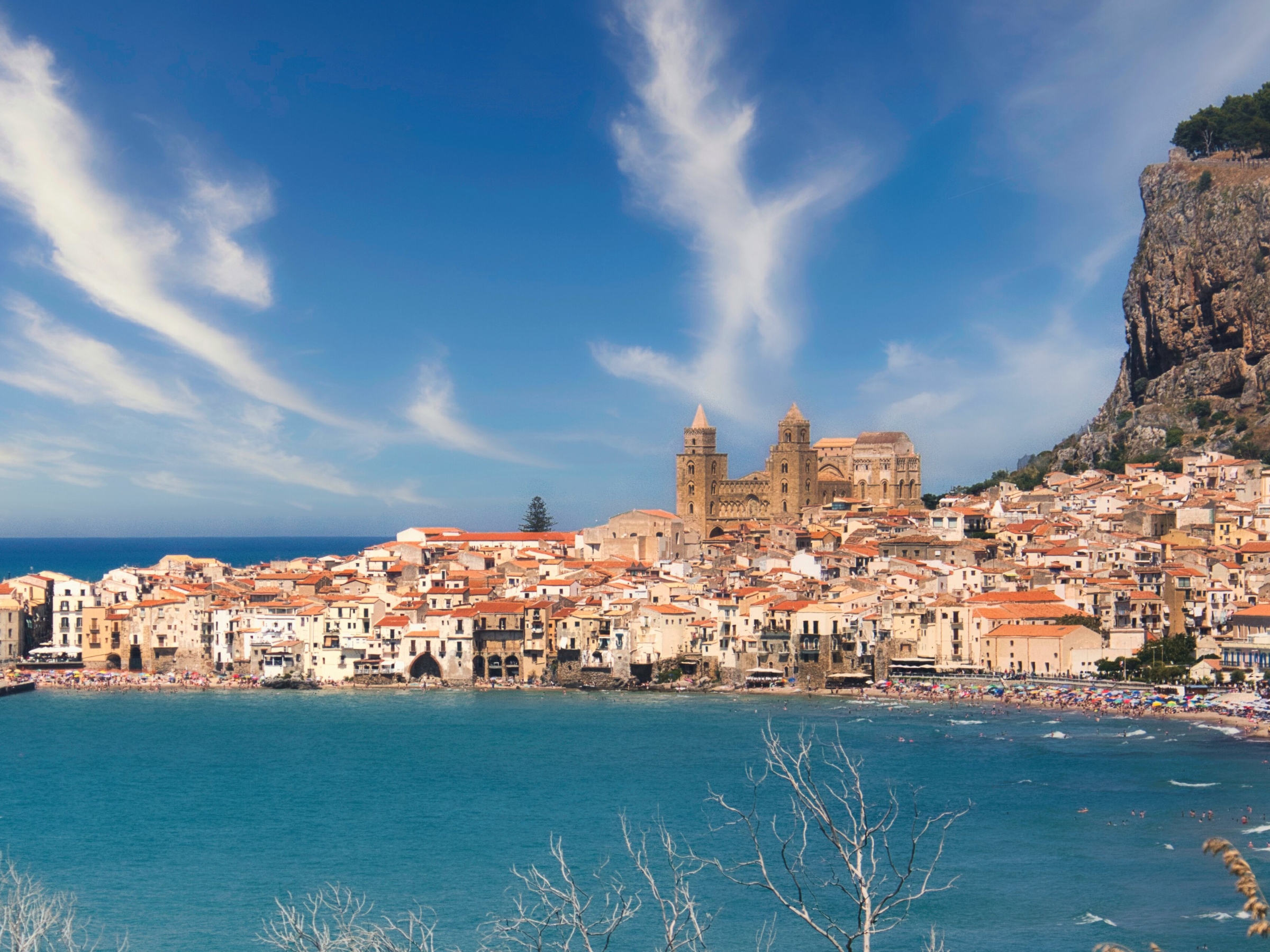
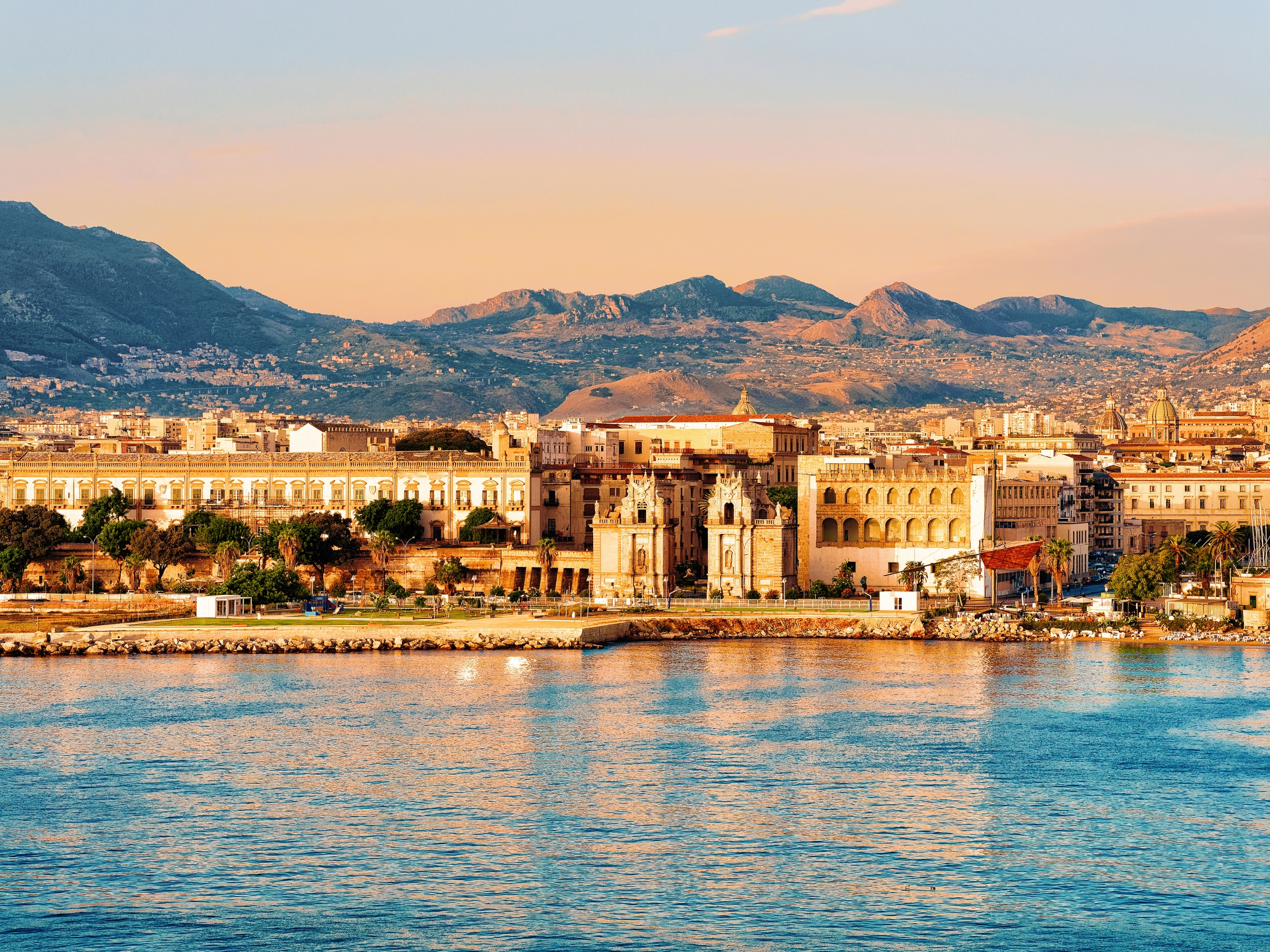
In Sicily, Nolan filmed on Favignana in the Egadi Islands and around the Aeolian Islands, including Lipari, Vulcano and Basiluzzo. Yet Sicily belongs in an Odyssey-inspired journey for reasons extending far beyond the film. Its Greek, Roman, Arab, Norman and Italian influences coexist with ancient temples, volcanic landscapes, fishing villages, vineyards and small offshore islands.
Sicily is also intriguing because scholars have spent centuries connecting episodes from Odysseus’s voyage to locations throughout the central Mediterranean. There is no universally accepted route, and some places belong entirely to mythology. Rather than trying to recreate the journey stop by stop, use Homer as the inspiration. The uncertainty gives us greater freedom to explore the Mediterranean without pretending we are following historical coordinates.
On the accommodation side, a property like the Belmond Grand Hotel Timeo in Taormina is the sort of base I would evaluate for a client who wants Etna views and easy access to the east coast. Our roundup of Sicily’s best hotels covers the alternatives.
Ithaca Is Real, Too
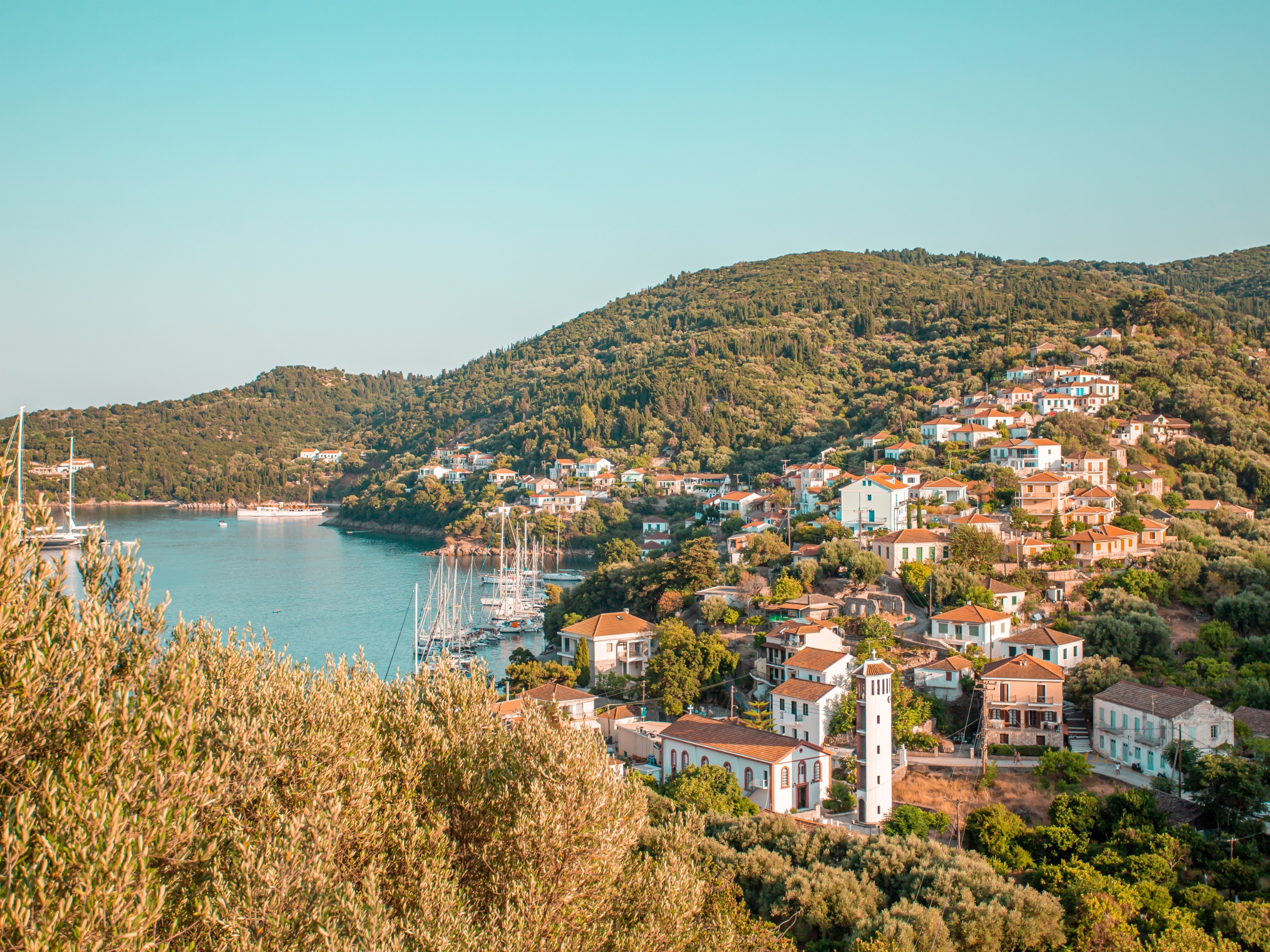
Troy is not the only destination from the story that travelers are suddenly curious about. Ithaca is also a real Greek island, located in the Ionian Sea, and it is traditionally associated with the kingdom Odysseus spends The Odyssey desperately trying to reach.
There has been scholarly debate about the relationship between modern Ithaca and Homer’s Ithaca, just as there is debate surrounding many of the geographic references in the poem. But for a traveler interested in Homer rather than Nolan’s production, Ithaca introduces another dimension. It also highlights an important distinction that I think gets lost in many articles about the film: literary locations, archaeological locations and filming locations are not necessarily the same places.
Three Ways I Would Plan an Odyssey-Inspired Journey
If a client told me, “I watched The Odyssey and now I want to go,” I would first want to understand what about the movie made them want to travel. There is no single right way to plan this trip, so I would choose the part of the story that most interests them and build the journey around it.
Odyssey filming locations at a glance
| Option 1 | Option 2 | Option 3 | |
|---|---|---|---|
| Focus | Türkiye + Greece | Morocco | Greece + Sicily |
| Best for | The history behind the story | Nolan’s visual world | The romance of the voyage |
| Key sites | Troy, Troy Museum, Athens, Peloponnese | Aït Benhaddou, Marrakech, Essaouira | Voidokilia, Methoni, Favignana, Aeolian Islands |
| Real Troy? | Yes | No — the film’s Troy | No |
| Ideal length | 12–16 days | 9–12 days | 12–16 days |
| Pace | Guided and archaeological | Cultural and scenic | Coastal and slow |
Option 1: Türkiye + Greece — Troy, Homer and the Ancient Aegean
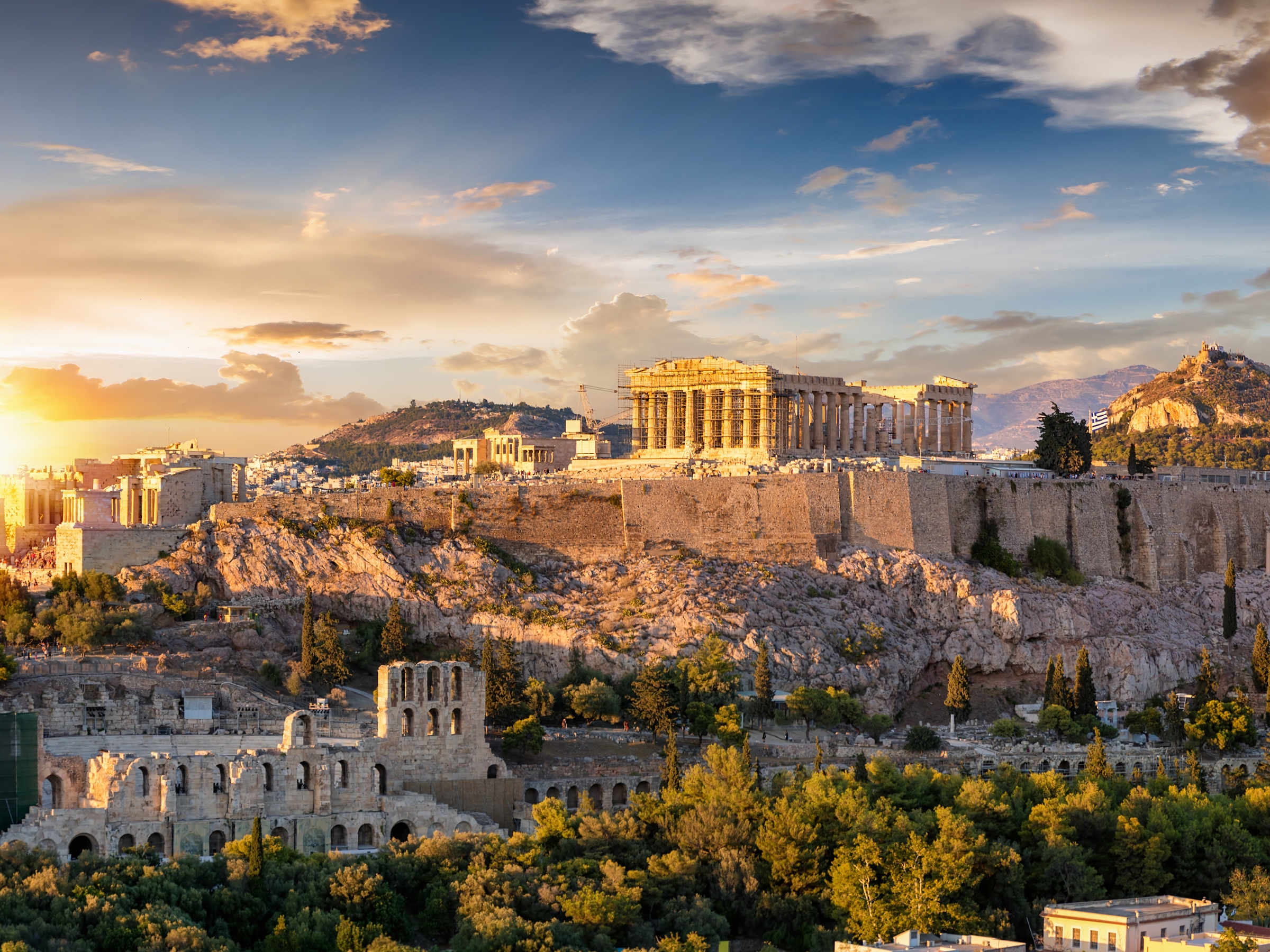
Travelers most interested in the history behind the story can begin with Istanbul and Troy before continuing into Greece, connecting the archaeological Troy with the Greek world from which Homer’s epics emerged.
Spend three nights in Istanbul before continuing toward Çanakkale for Troy and the Troy Museum with an expert private guide. Gallipoli can also be incorporated, although it belongs to a completely different chapter of history.
From Türkiye, continue to Athens and the Peloponnese. Athens provides the historical foundation, while the Peloponnese brings classic Greek atmosphere, beautiful coastline and time to relax. Staying around Costa Navarino provides access to Voidokilia Beach and Methoni while introducing travelers to a part of Greece often favored by those looking beyond the more familiar islands.
For a longer journey, add several days on the water or continue to Ithaca, particularly if Homer is part of the draw. Even without the literary connection, it is a beautiful Ionian island for travelers seeking a quieter place to explore and relax.
Ideal length: approximately 12 to 16 days.
Option 2: Morocco — The Cinematic Troy
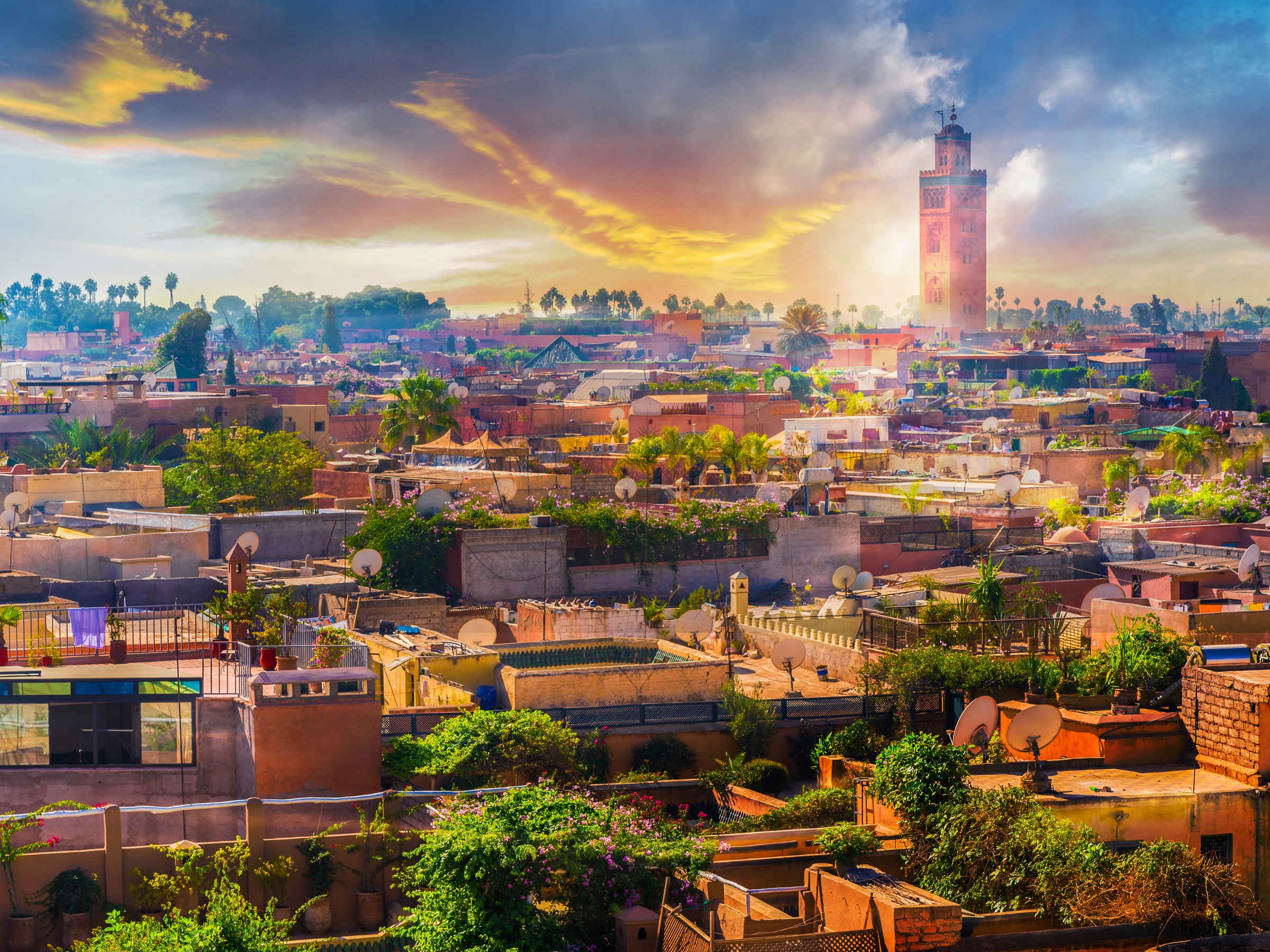
For travelers drawn to Nolan’s visual world, I would focus entirely on Morocco rather than trying to combine it with the Mediterranean.
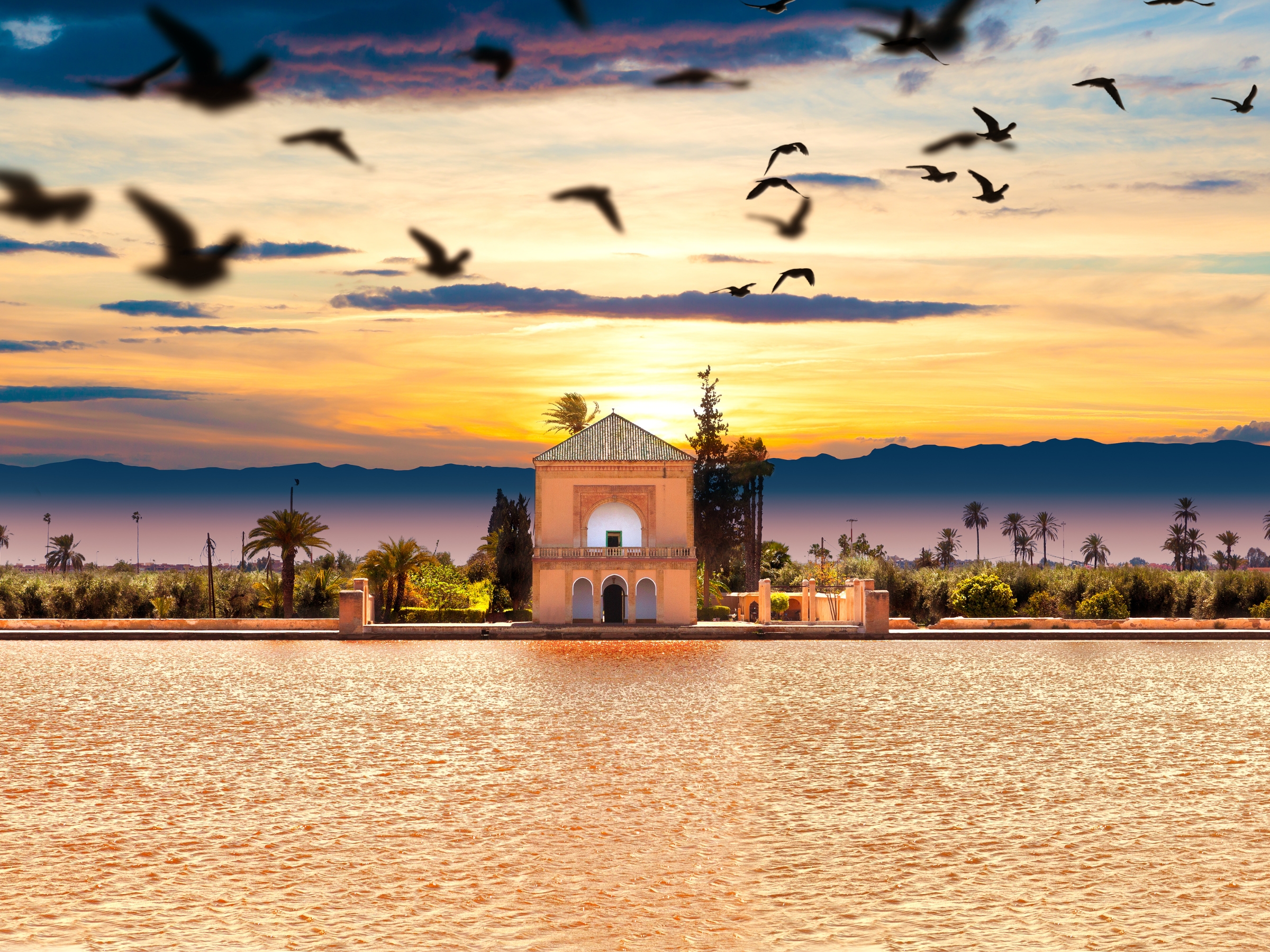
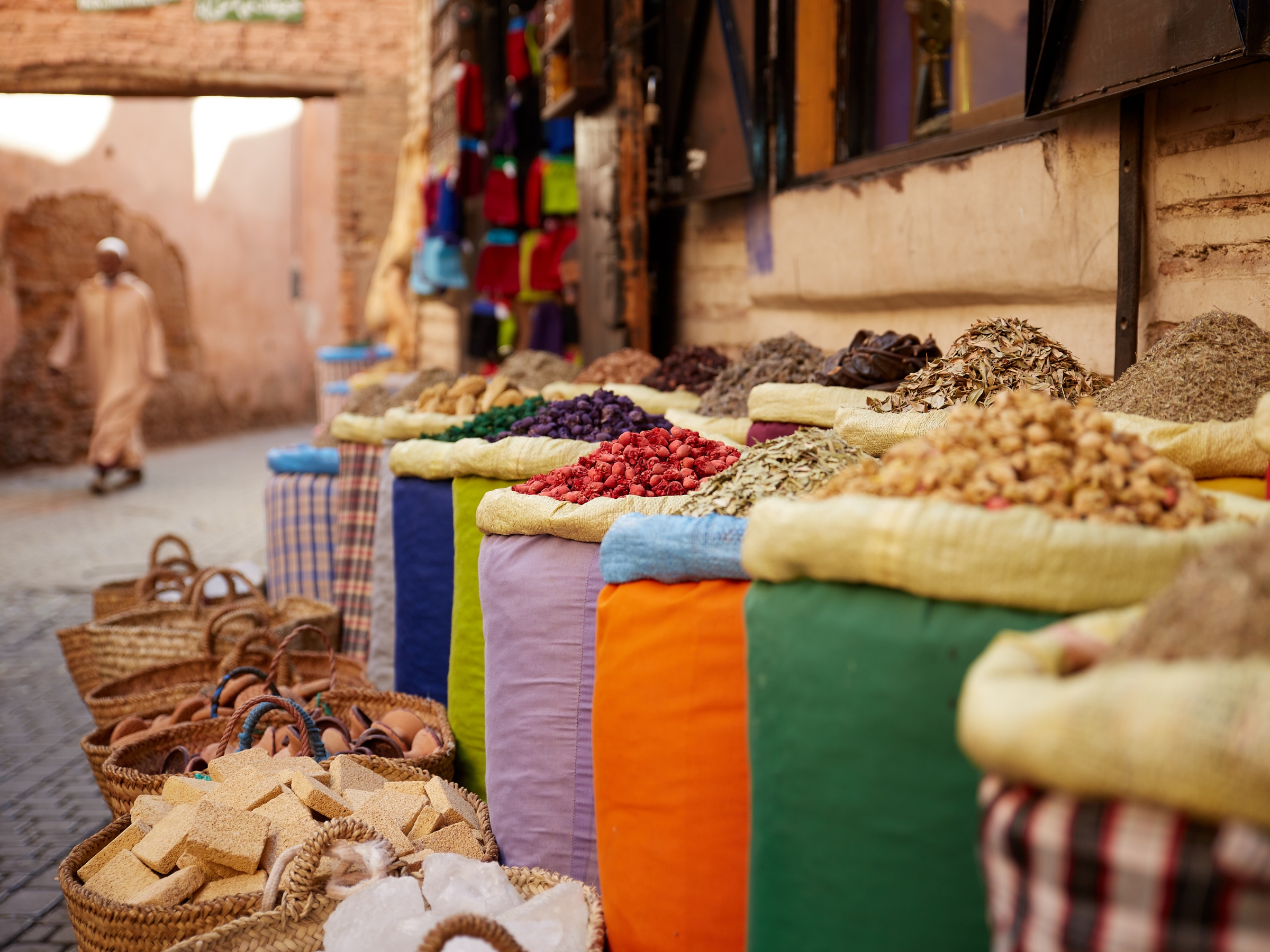
Begin in Marrakech, allowing several days for the medina, gardens, architecture, cuisine and a memorable hotel stay, before crossing the High Atlas Mountains toward Aït Benhaddou, the UNESCO-listed ksar that Nolan transformed into Troy.
Depending on your time, continue toward the desert or travel west to Essaouira, where Nolan also filmed. Its Atlantic setting, fortified medina and slower pace provide a beautiful contrast to Marrakech and southern Morocco. With additional time, I would also build in a stay in the Atlas Mountains.
For someone who says, “I want to see Nolan’s Troy,” this is probably the journey I would recommend most strongly — with the caveat that what you are really going to see is Aït Benhaddou itself.
Ideal length: approximately 9 to 12 days.
Option 3: Greece + Sicily — A Mediterranean Odyssey
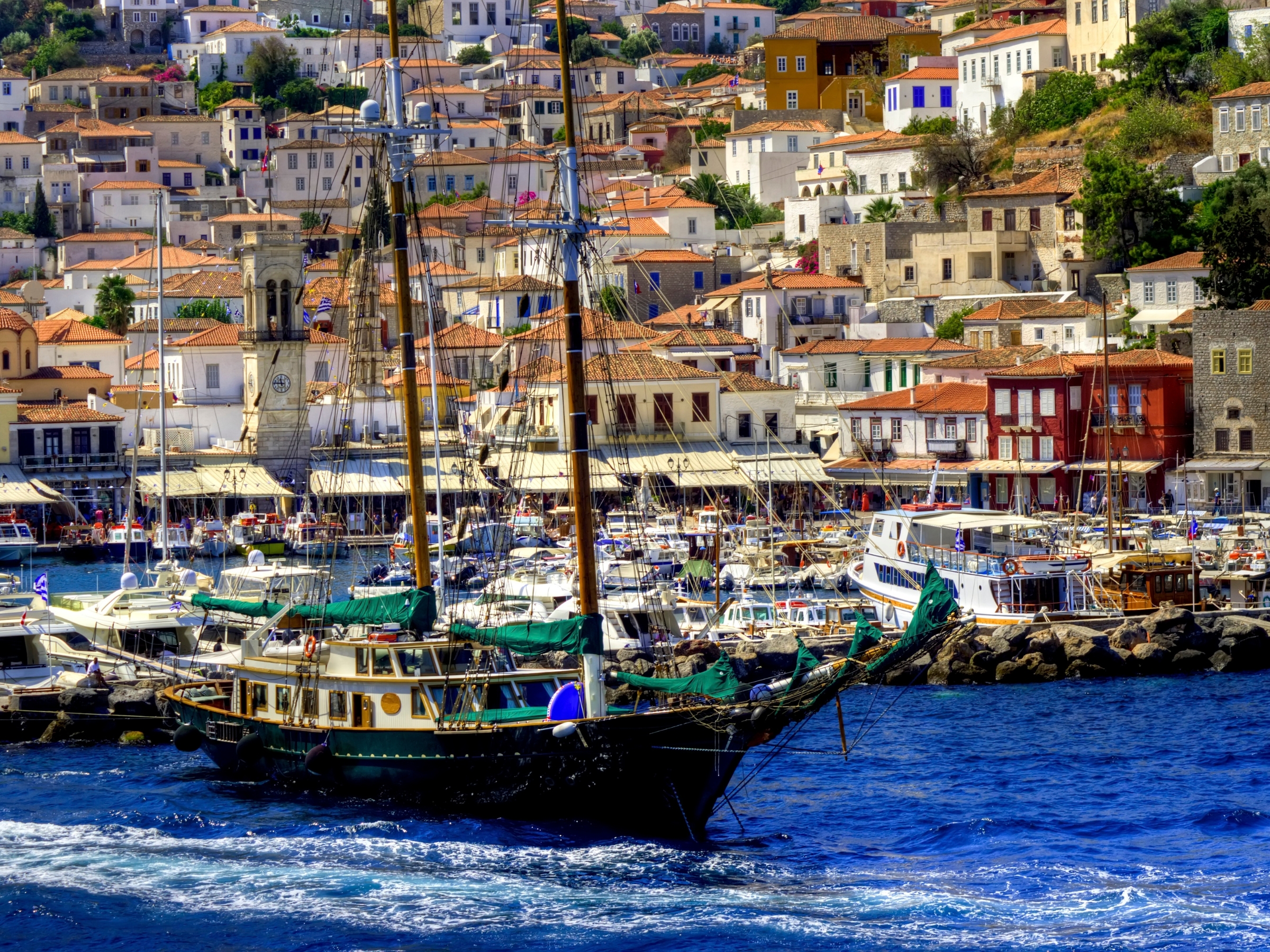
If you are less interested in archaeology and more captivated by the romance of Odysseus’s voyage, I would create a Mediterranean journey through Greece and Sicily.
Begin in Athens, then continue into the Peloponnese, spending several days around Messenia. Nolan’s filming locations at Voidokilia Beach, Methoni and the surrounding coastline can be woven naturally into days filled with small towns, boating, food, wine and the slower pace that makes this part of Greece so appealing.
From there, spend a few days on the water. The Odyssey is fundamentally a sea journey, and chartering a catamaran offers one of the most enjoyable ways to experience the Mediterranean from that perspective. Sail between islands, swim in quiet coves and create a much more relaxed version of your own odyssey.
Continue to Sicily, where the connection becomes more inspirational than literal. Sicily has deep ties to the ancient Greek world, while Nolan’s use of Favignana and the Aeolian Islands creates a natural bridge between the film and the destination. Greek archaeological sites, volcanic landscapes, remarkable food and wine, and layers of Mediterranean history give Sicily considerably more depth than simply visiting another filming location.
Ideal length: approximately 12 to 16 days.
Why The Odyssey Travel Trend Is More Interesting Than “Set-Jetting”
Travel inspired by movies and television is hardly new. The industry has even given the phenomenon its own slightly awkward name: set-jetting, and we’ve covered our share of hotels made famous on screen. However, The Odyssey is creating a different kind of curiosity. Travelers are not simply searching for a beautiful beach or hotel they saw on screen. They are asking, “Is Troy a real place?”
That question can lead from a Bronze Age archaeological site in Türkiye to Homer, Greece, Ithaca, Morocco and Sicily. The film becomes the beginning of a much deeper exploration of history, mythology and place.
As a travel advisor, that is the version of film tourism I find most compelling. The movie provides the inspiration, but the destination becomes the story.
From a Movie Search to a Journey
I love that one of the biggest travel stories to emerge from The Odyssey begins with such a simple Google search: is Troy real?
Yes, it is. But the answer opens the door to something much larger. I would decide which part of the story speaks to you and build a journey around it with enough time to understand these places beyond their appearance on a movie screen.
The most interesting thing Christopher Nolan may have accomplished for travel is making millions of people curious about a story that has survived for almost 3,000 years, and wondering where in the world it might take them.
If one of these three routes is pulling at you, or you’re not sure which one fits, that’s exactly the conversation we like having. Reach out to a Boutique Travel Advisors advisor and we’ll help you work out which part of the story you actually want to travel through — and handle the guides, the timing and the hotels from there.
Frequently Asked Questions About Troy and The Odyssey
Is Troy in Greece or Türkiye? Troy is located in modern-day Türkiye. Although Troy is central to Homer’s Greek epic tradition, the archaeological site lies on the Turkish side of the Aegean world near the Dardanelles.
Can you visit Troy? Yes. Travelers can visit both the Archaeological Site of Troy and the nearby Troy Museum. I recommend experiencing them together with an expert private guide who can explain the different archaeological layers and their relationship to the Trojan War tradition.
How far is Troy from Istanbul? Troy is about 4½ hours southwest of Istanbul in Çanakkale Province. It is not a day trip. Start in Istanbul, then incorporate Çanakkale, Troy and potentially the Gallipoli Peninsula.
Where did Christopher Nolan film Troy? Nolan’s cinematic Troy was created at Aït Benhaddou in Morocco. Production designer Ruth De Jong and her team reportedly constructed approximately two and a half acres of additional practical sets adjacent to the historic settlement. Those sets were built to be destroyed on camera and no longer stand — the UNESCO-listed ksar itself is the reason to go.
Can you recreate Odysseus’s journey today? Not with historical certainty. Scholars have debated the geography of Odysseus’s voyage for centuries, and some destinations remain disputed or entirely mythical. A more meaningful journey uses Homer as inspiration to explore Troy, Greece and the wider Mediterranean without pretending there is a historically established route to reproduce.
—
Ready to Keep Exploring?
For more destination inspiration and planning guidance, explore the Boutique Travel Advisors Blog.
Prefer to browse on your own? Visit Luxury Travel Clubs to self-book curated hotels, tours, and transfers.
For a fully customized journey, contact Boutique Travel Advisors to begin planning with our team.
Film TravelGreeceitalyMoroccoTürkiye